
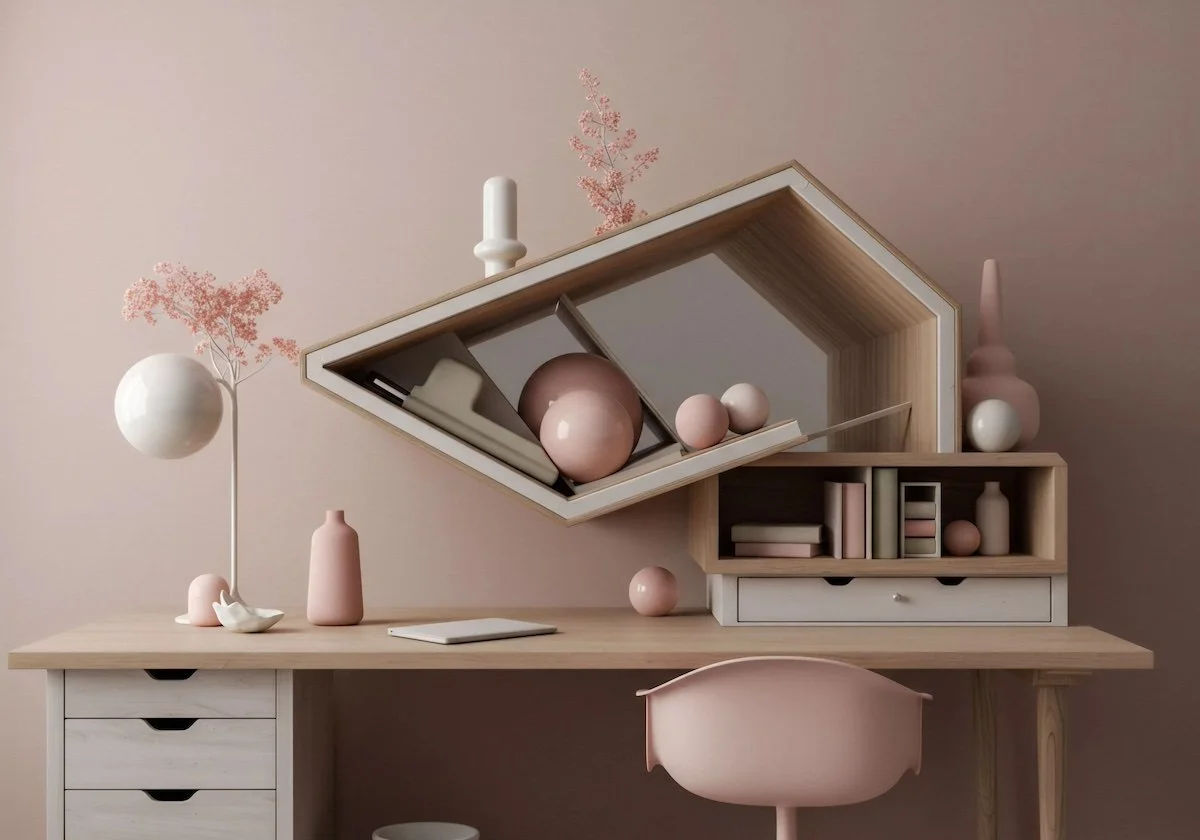
The Circular Economy in Your Living Room: How Buying Vintage Fits a Global Movement
We all make little choices every day that feel right. Maybe it’s choosing a reusable bottle, or fixing a wobbly chair instead of tossing it. When you choose a vintage armchair or a pre-loved dining table, that same feeling is there, but it’s often hard to put into words. It feels better than just buying something new, but why?
The answer is that you’re not just shopping. You’re participating in a massive, global shift away from a throwaway culture. You’re part of what’s called the circular economy.
Craftsmanship vs. Convenience: What Makes Antique Furniture Last Centuries
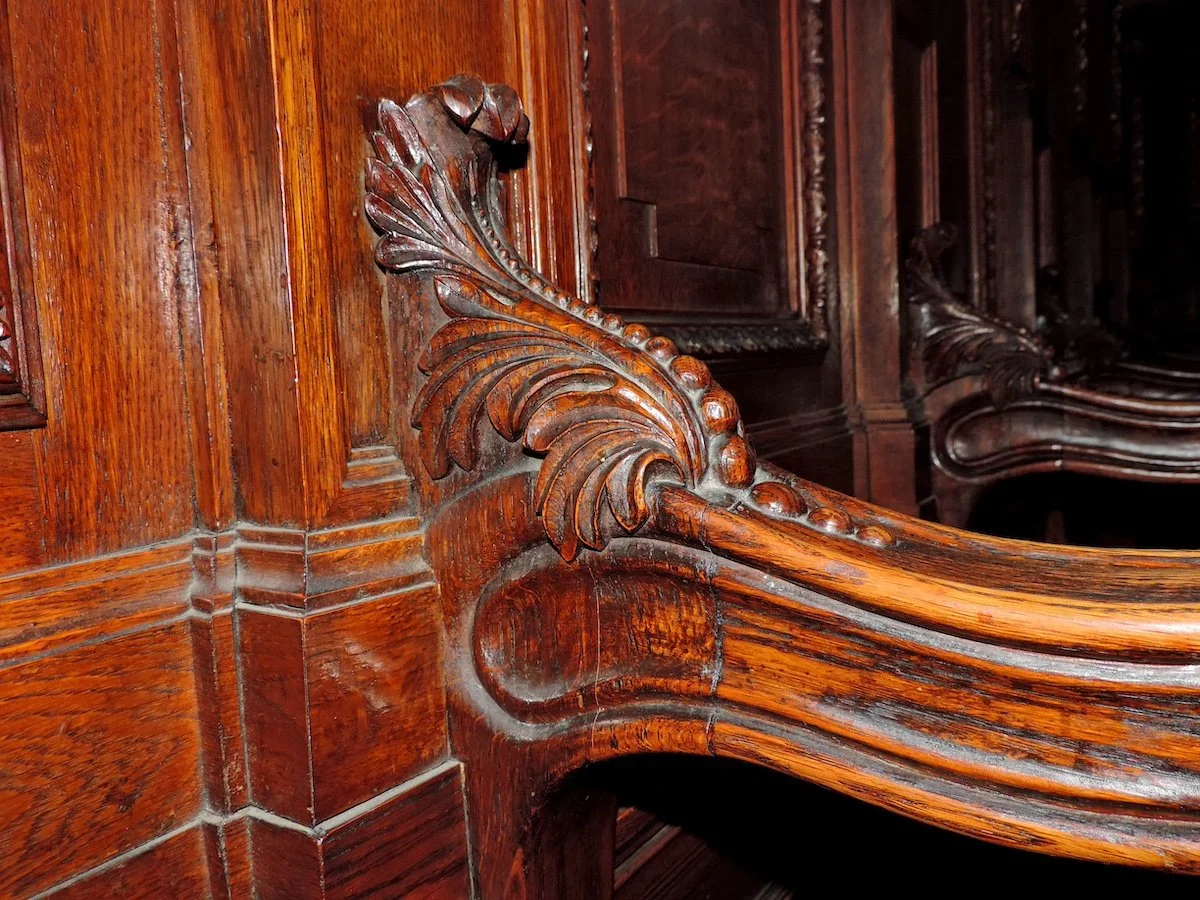
There’s a particular feeling that comes from opening a heavy, solid-oak drawer that’s over a hundred years old. It’s not just the satisfying glide or the smell of aged wood. It’s the quiet, unshakeable confidence of the thing. The drawer doesn’t wobble, it doesn’t stick.
It simply works, as it was designed to, decade after decade after decade. Now, think of a particleboard drawer from a flat-pack kit. Its lifespan is measured in a few years, maybe a couple of moves, before the veneer peels and the joints give way. The contrast isn’t just about age; it’s a fundamental clash of philosophies—craftsmanship versus convenience.
Beyond the Dining Room: Creative Uses for Antique Kitchenware & Textiles
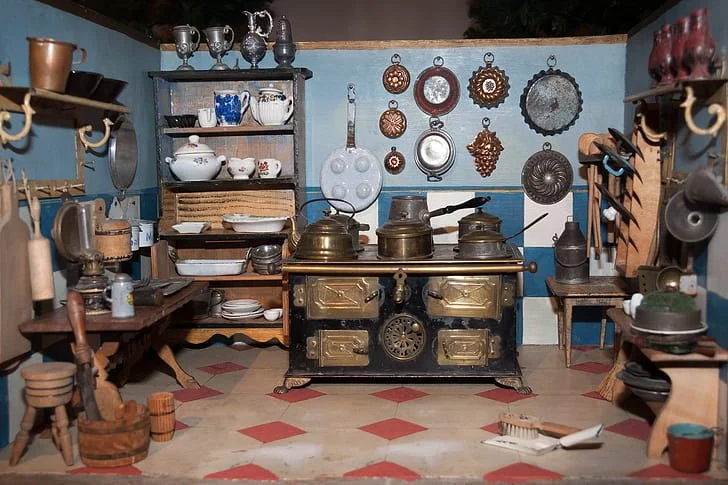
I think we've all been there. You're wandering through a flea market or scrolling an online auction when you spot it. A gorgeous, hand-painted platter from the 1930s, its glaze soft with age. Or perhaps a set of heavy, monogrammed linen napkins, their precise cross-stitch hinting at a century of Sunday dinners.
Your heart leaps. "That's beautiful," you think.
And then, almost immediately, the practical part of your brain chimes in. "But where on earth would I put it? I don't need another platter. And I certainly don't host formal dinners."
Introducing "Grandmillennial Style": How to Blend Antique Soul with Modern Sensibility
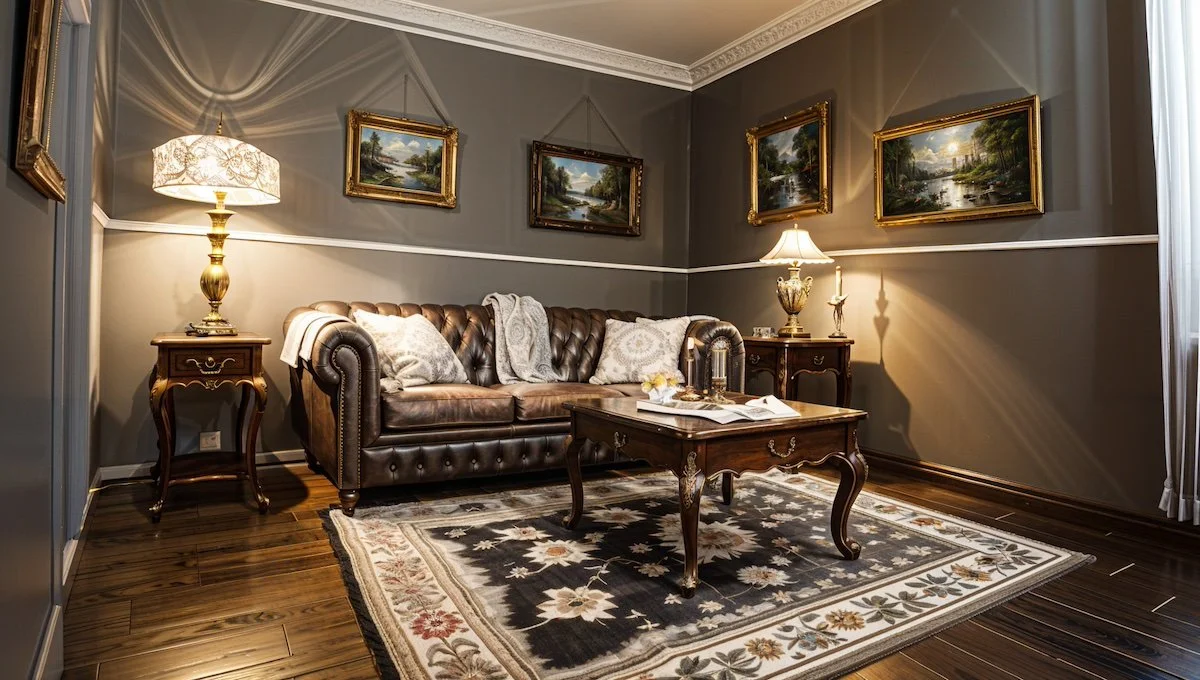
Have you ever walked into a room and felt like you’ve stepped into a warm, familiar story? A space where a sleek, modern sofa doesn’t argue with a needlepoint pillow but chats amiably with it, where a contemporary art print hangs comfortably above a heavily carved Victorian sideboard?
This isn't a design contradiction. It’s one of the most delightful and personal trends in interiors today: Grandmillennial Style.
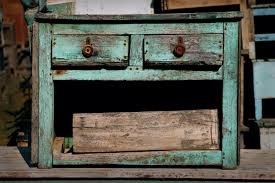
The Patina Principle: How Age, Scratches, and Imperfections Actually Add Value
Walk into any big-box furniture store today and you'll be surrounded by perfection. Gleaming, untouched surfaces. Flawless, uniform finishes. Furniture that looks like it just emerged from a sterile factory vacuum—which, of course, it did.
We've been conditioned to believe that "new" means "better," and that any sign of wear is a flaw that diminishes worth.
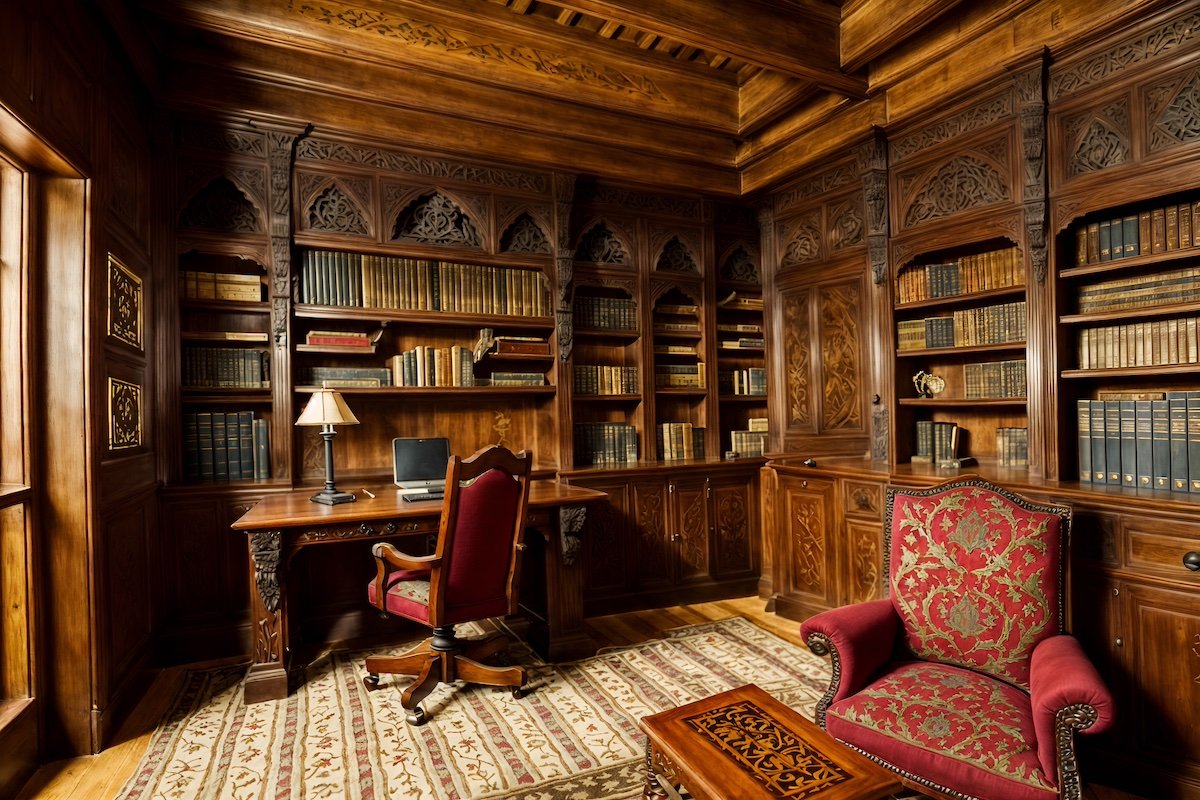
Why "Brown Furniture" is Back: The Resurgence of Traditional Woods
For years, it was the pariah of the design world. Heavy, dark, and deeply out of fashion, so-called "brown furniture"—those substantial pieces made from mahogany, walnut, oak, and rosewood—languished in auction houses and the back corners of antique shops.
It was the thing you inherited and quietly regretted, a symbol of stuffy, old-fashioned rooms that felt more like museums than living spaces.
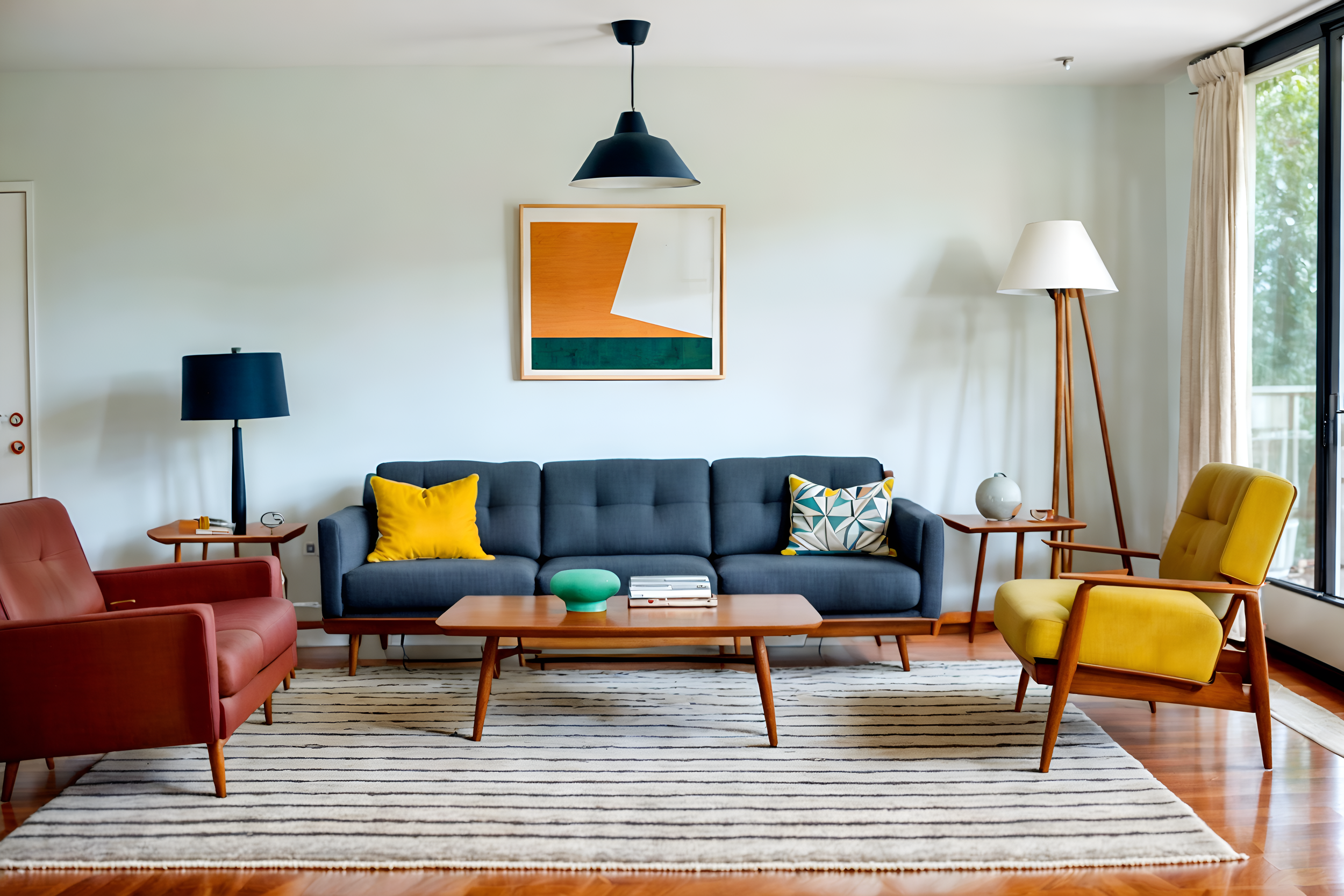
The Hidden Truth: How Your Vintage Chair is an Environmental Hero
Think about the last time you bought a piece of new furniture. You probably considered its style, its price, and how it would fit in your home. But did you ever stop to think about the journey it took to get there—or the hidden, final journey it will take in just a few years?
The environmental story behind the furniture in our homes is one of the most overlooked aspects of modern living.
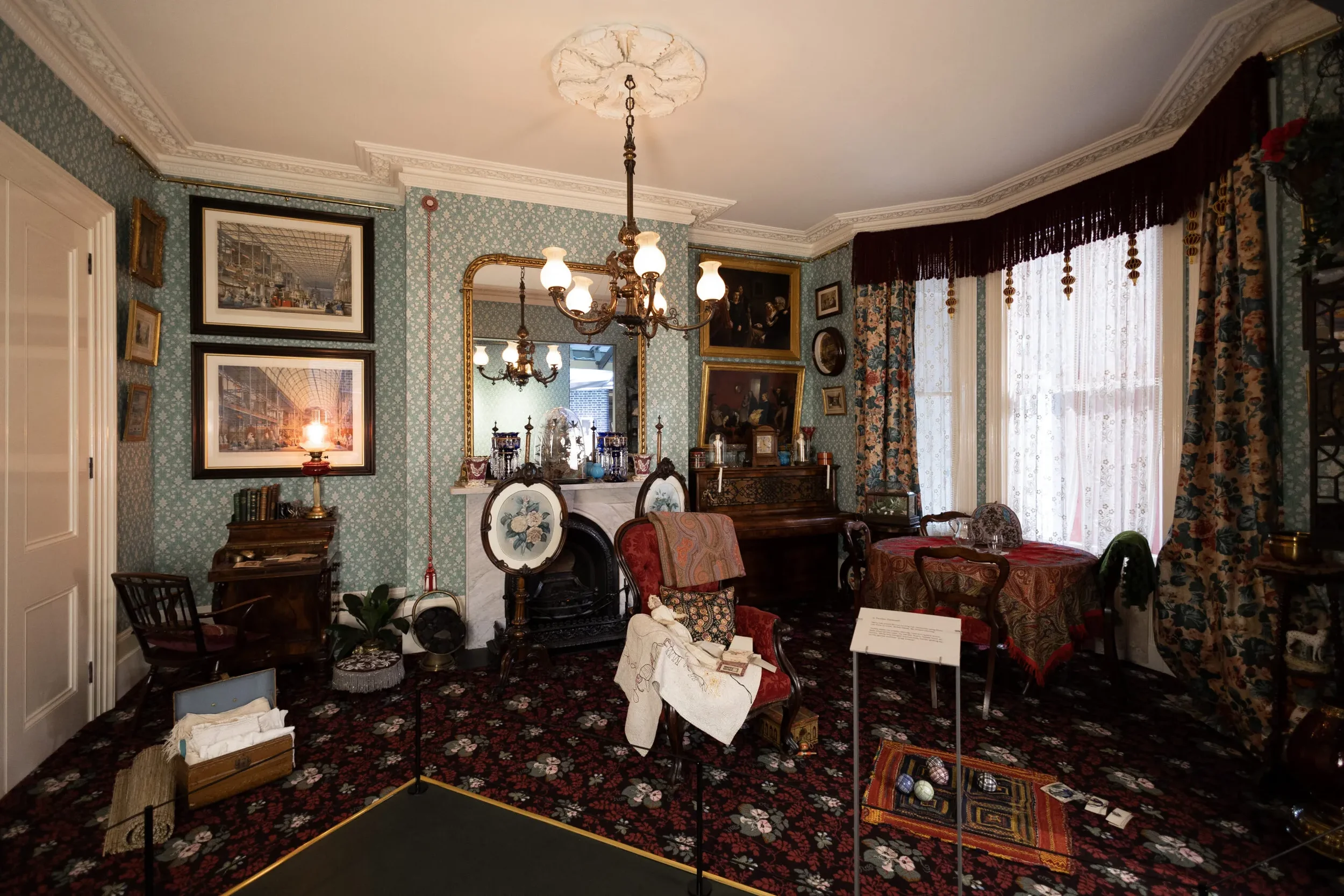
The Victorian Parlour: Unpacking the Symbolism of Clutter
To the modern eye, a Victorian parlour can feel overwhelming. It’s a visual symphony where every surface seems to sing, every corner holds a chorus of objects.
Our contemporary taste, often leaning towards minimalism, might dismiss this as mere clutter—a chaotic accumulation of stuff. But to do so is to misunderstand the language of the Victorian home entirely.
For the Victorians, the domestic interior was a canvas. Every object, from the largest armchair to the smallest porcelain shepherdess, was a deliberate stroke of paint that communicated status, values, and identity.

More Than a Frame: The History and Craft of the Rococo Picture Frame
In the world of art and antiques, it’s easy to be mesmerised by the main event. We scrutinise the brushstrokes of a landscape, the subject of a portrait, the age of an oil painting.
But what about the often-overlooked masterpiece that holds it all together? The frame is frequently treated as a mere accessory, a necessary border. But to do so is to miss a vital part of the story.
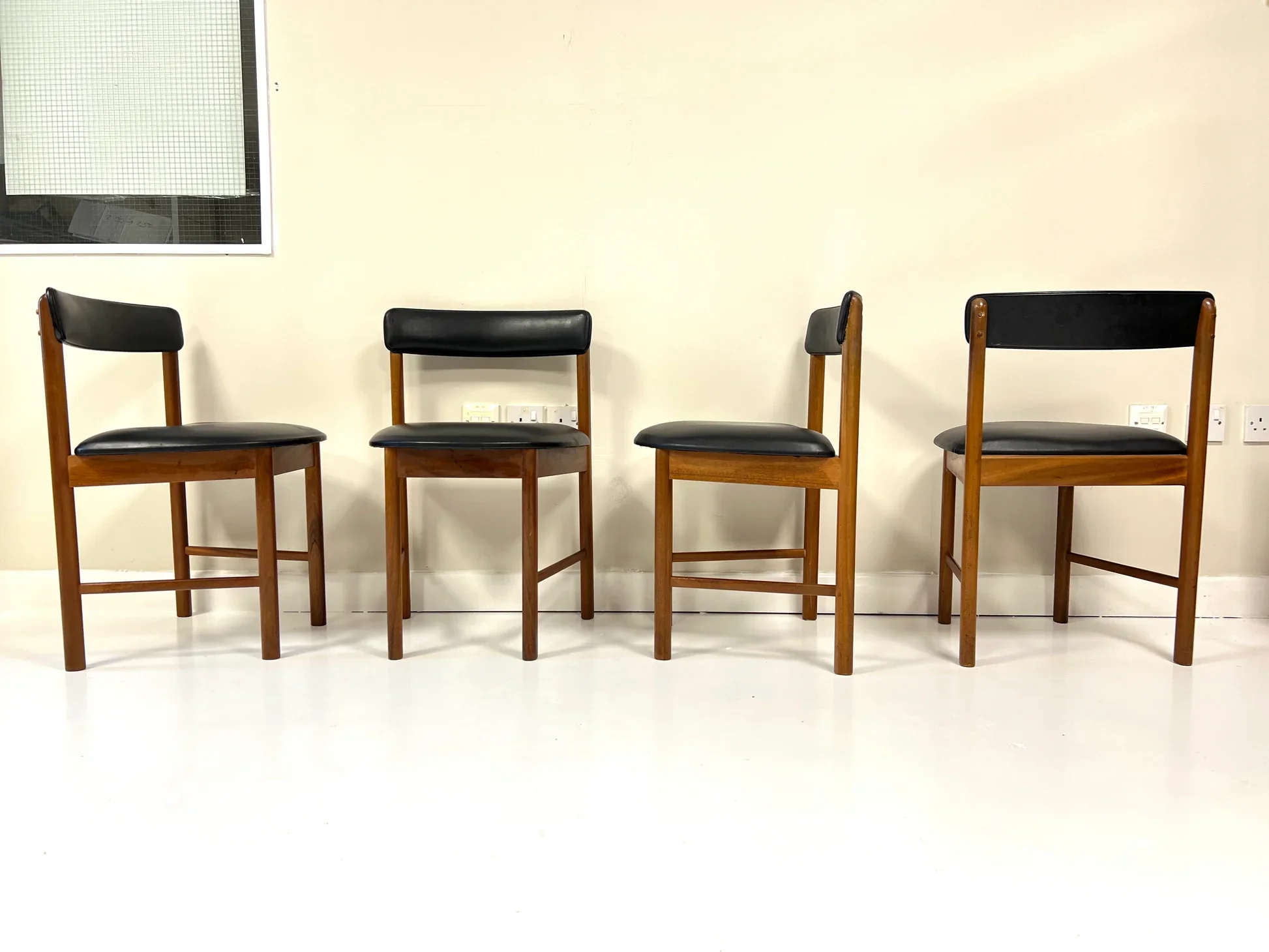
G-Plan & McIntosh: The Everyday Modernism of British Mid-Century Brands
When we talk about Mid-Century Modern design, it’s easy to get swept up in the glamour of the big names. The sculptural Danish chairs, the sleek Italian lamps, the iconic American loungers.
But for every household that owned an Eames chair, thousands more were furnished by something else: the sturdy, sensible, and wonderfully stylish output of British manufacturers like G-Plan and McIntosh.